The best choice depends on the job: trimming one voice memo, preparing narration and converting a music collection do not require identical workflows. The year in this historical page address is retained for existing links; the guidance below is about evaluating current software, not repeating a 2019 award or ranking.
Test Your Required Output
- Describe the Result. Write down one concrete goal, such as a shorter MP3, an edited voice take or WAV files for another project. Separate that result from optional features you may never use.
- Check Your Source. Confirm that the application can open a representative input and that you understand how it displays duration and selection. Keep the source unchanged while evaluating the workflow.
- Complete One Small Task. Make the intended edit, use Undo and listen across the changed boundary. A successful test is more informative than a screenshot of an unopened application.
- Export the Required Format. Save a new output and play it outside the editor. Review any runtime, network, account or purchase requirement instead of assuming the download label explains the entire process.
- Choose the Right Tool Category. Use an editor for detailed waveform changes, a converter for repeated format changes, and a disc application for physical media. One familiar brand name does not make those tasks interchangeable.
Check the Quality and Output
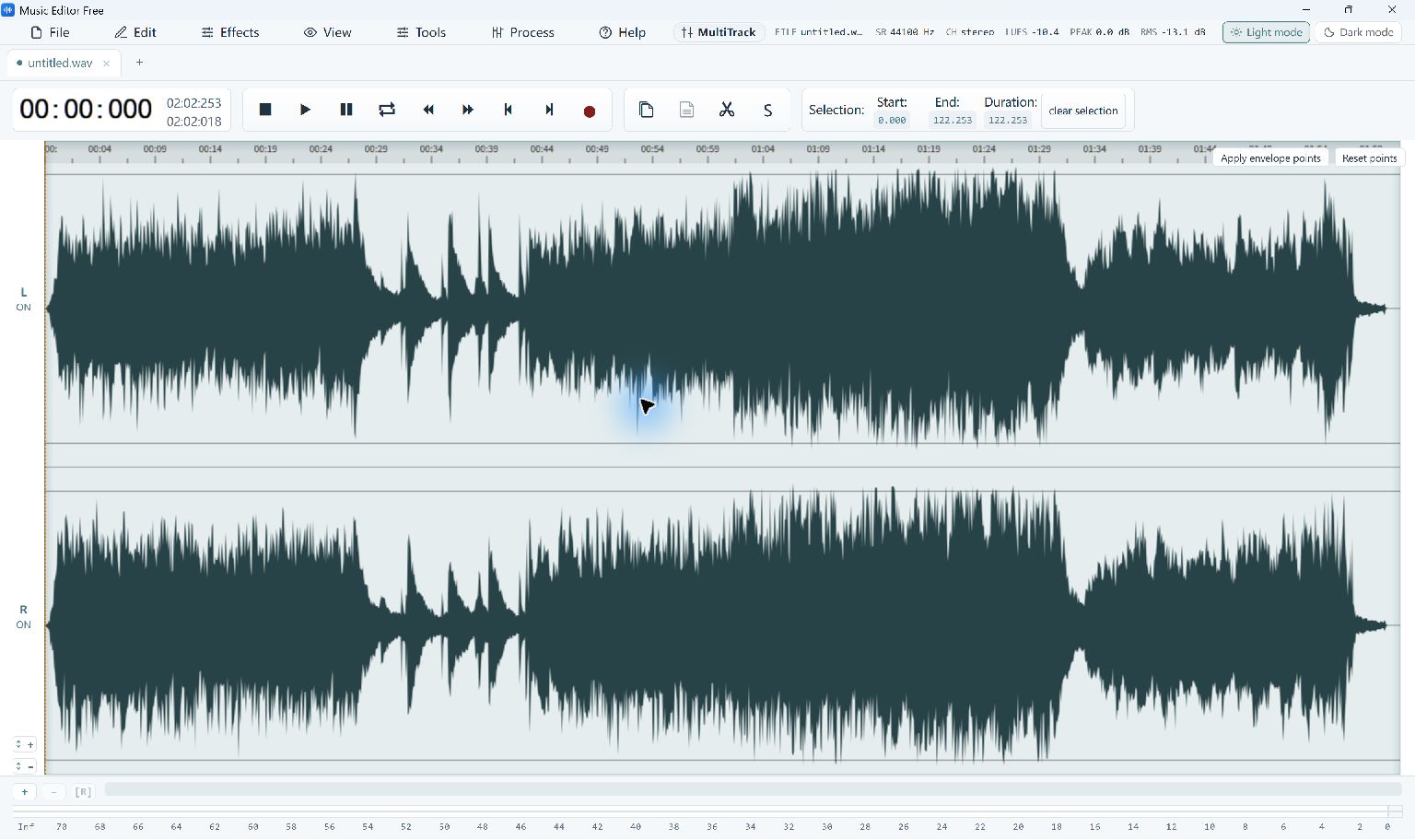
Music Editor Free’s current editing and supported export features are free, and all five current applications here are free. That statement is about these releases, not a guarantee about other sites, old installers or third-party voice and media services.
Keep notes about the one task you tested, the output you checked and any requirements you encountered before committing a large collection.